Secure the judgment to act in a world under pressure
Since 2009, SSF has convened 300+ webinars with global experts on energy, climate, and the systems societies depend on.
Now offering practitioner-taught professional education for the people who advise, decide, and defend those systems.
Webinar Tracks
Pressures are reshaping how energy systems, climate conditions, and the institutions that hold societies together function. Programming is organized into three tracks, seeded from SSF's archive and growing with new webinars.
Three tracks. Resilience as the through-line.
Energy and Security
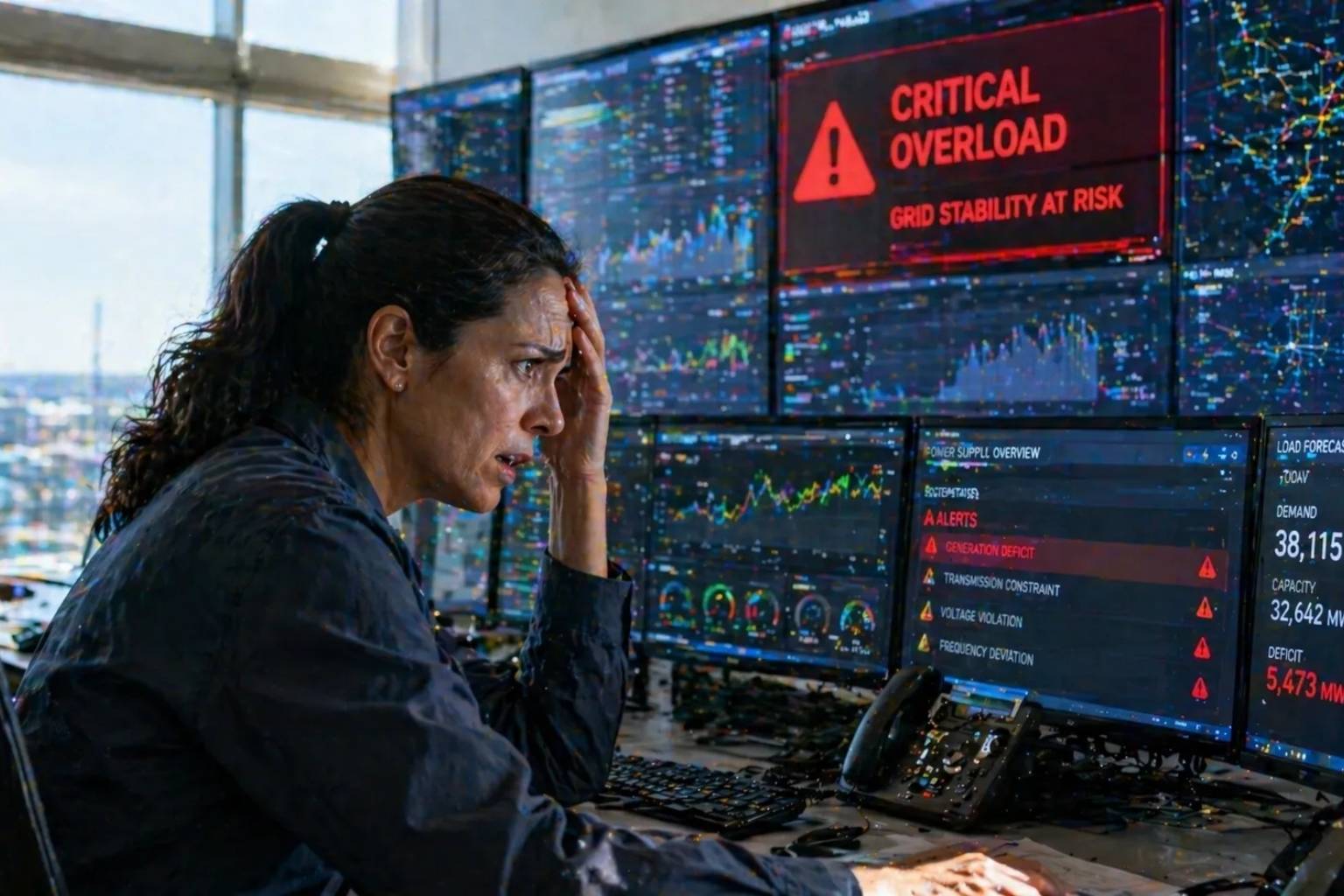
Energy systems are central to economic resilience and national security. This track examines electricity markets, grid reliability, infrastructure, emerging technologies, and the choices shaping a more secure and resilient energy future.
Climate Adaptation and Natural Hazards
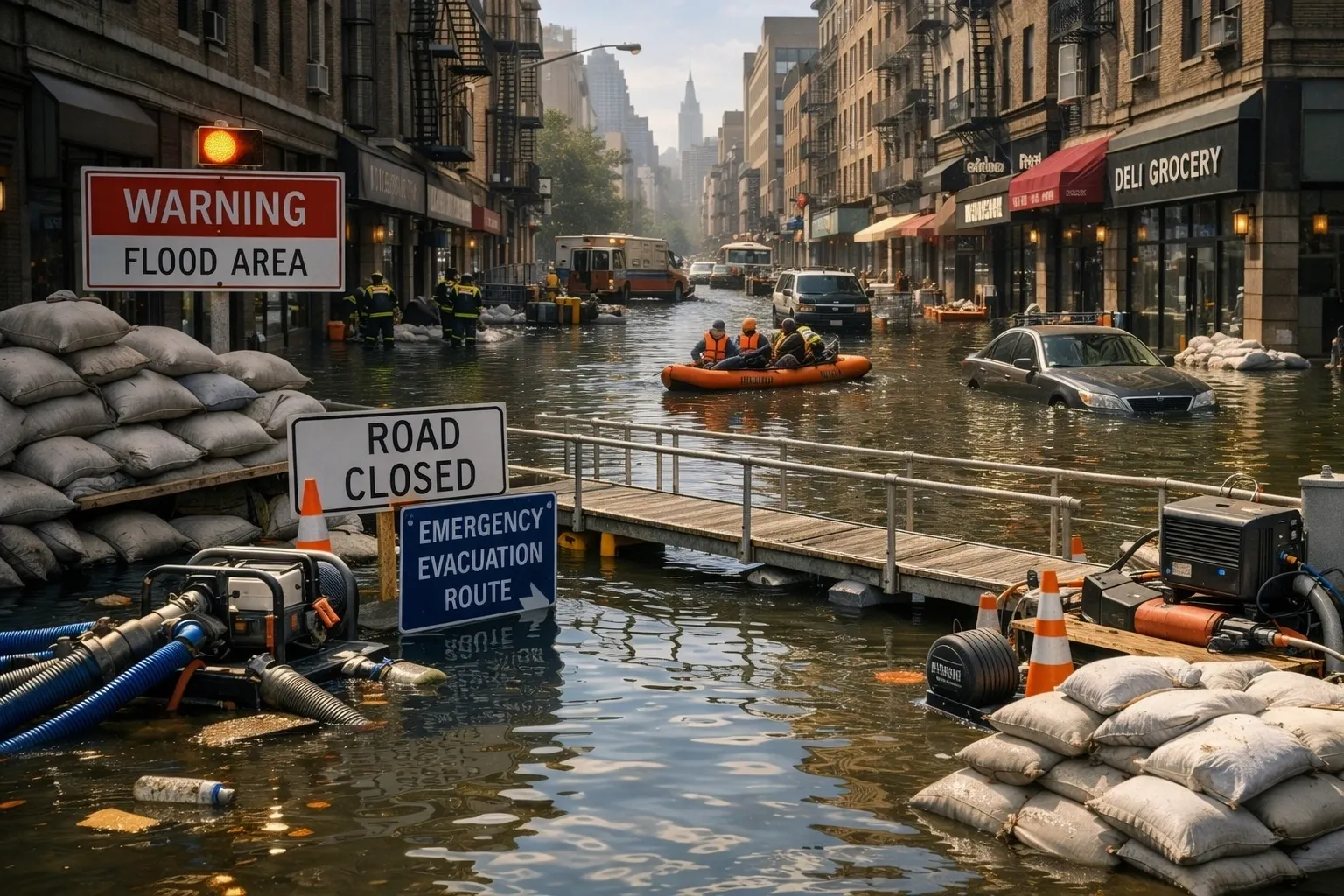
Climate change and natural hazards are changing how communities, organizations, and governments manage risk. This track focuses on adaptation, resilient infrastructure, natural systems, and the decisions needed to reduce vulnerability.
Security and Society
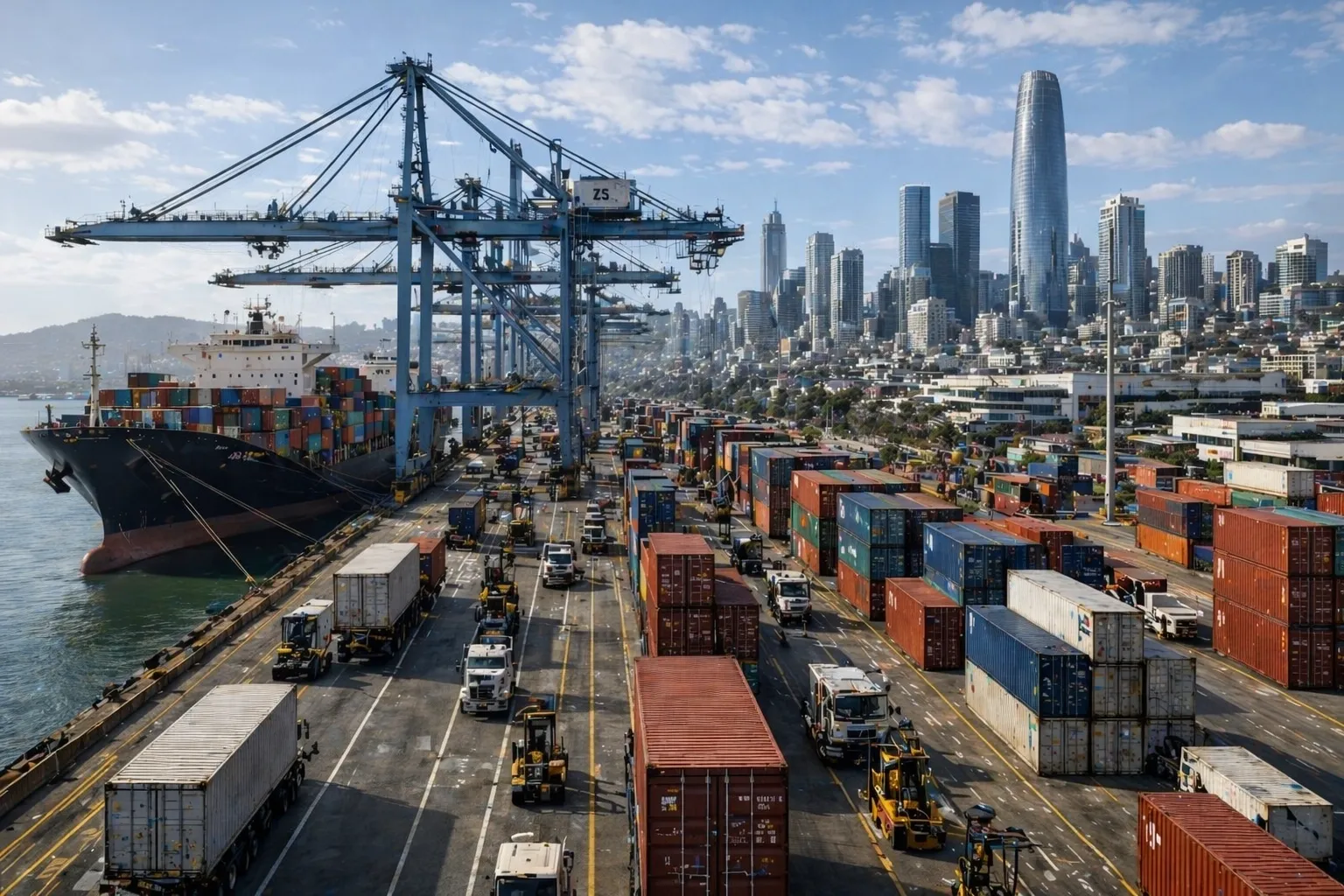
Security is more than protecting physical infrastructure from disruption. It is about sustaining the social and institutional foundations that let people, organizations, and communities function and thrive, including public health, business continuity, governance, and civic trust.
Recordings in each track are free and open.
The SSF Resilient Energy Certificate: seven short, practitioner-taught courses, rolling out starting now.

Featured series: Wildfires, in partnership with ASU Lightworks.
What's Coming from SSF
Upcoming webinars and courses, plus a look at what's in development.
Webinar · Registration Open
Sustainability and Resilience: Managing the Interdependence: A systems approach for business and communities
November 5, 2026
1:15–2:15 PM ET
With Peter Williams, Chair and Board Lead for Infrastructure, ARISE-US, and
Joseph Fiksel, professor emeritus at Ohio State University, author of Resilient by Design, and an SSF faculty member.
Course · Registration Open
Understanding Electricity Markets: Wholesale, Retail, and What Comes Next
Starting Wednesday, October 28, 2026, for Four Consecutive Weeks
11 AM–1 PM ET
Matt Haupt
SSF Resilient Energy Certificate
IN DEVELOPMENT
Sustainability and Resilience: Managing the Interdependence (Joseph Fiksel & Peter Williams); Wildfire Mitigation, three sessions (Arizona State University); Trust in a Fractured World (Piasecki, Novelli, Funk & Phillips)
Distributed Energy and Community Resilience course with Scott Sklar, January 2027; enrollment opens October 1
Defining Voices
Some conversations shape how a field thinks.
Curated webinar excerpts from the pioneers who have defined the sustainability and resilience fields. Full recordings in the archive.
Kate Raworth & Hazel Henderson
IN CONVERSATION
Hazel Henderson & Vicki Robin
IN CONVERSATION
David Orr & Erik Assadourian
IN CONVERSATION
Katharine Hayhoe
Paul Hawken
Richard Heinberg
Webinars Since 2009
Fifteen years of SSF programming, organized by topic. Access is free.